Smart thermostat app vacation schedule settings before leaving home for vacations
Setting the Vacation Schedule Before You Leave
A smart thermostat’s vacation mode is best set up before the trip starts, not while rushing out the door. It gives the system time to follow the right schedule and helps keep the home from getting too hot, too cold, or wasting energy while no one is there.
Open the thermostat’s official app and look for a section named Vacation, Away, or Schedule. Different brands use different labels, but the idea is usually the same: choose when the home will be empty and when normal comfort settings should return.
Set the leaving date and return date based on the actual trip plan. During that period, the thermostat can use more efficient temperatures instead of running as if people are home all day.
It is worth checking the schedule once after saving it. Make sure the dates are correct, the return time is not too late, and the home will be comfortable again by the time everyone gets back.
Choosing the Right Away Temperature
Vacation mode should save energy, but it still needs to protect the house. The right setting depends on the season, local weather, and how quickly the home heats up or cools down.
In cold weather, the indoor temperature should usually stay around 55°F or higher. That helps reduce the risk of frozen pipes, especially in basements, exterior walls, or rooms that do not get much airflow.
In hot weather, setting the thermostat somewhere in the mid-80s can cut cooling costs without letting the house become too humid. Going too high may save a little more energy, but it can also lead to musty smells, mold risk, or heat stress on furniture and electronics.
Most smart thermostat apps show a suggested vacation range. It is worth staying close to those limits instead of pushing the system too far. The point is not to make the house perfectly comfortable while it is empty; it is to keep it stable and safe until everyone returns.
Checking the Schedule Details Before Confirming
Before the final confirm button is tapped, review the vacation schedule details carefully. Many apps let a separate temperature be set for “Home” and “Away” periods, but vacation mode overrides those normal schedules completely. The start date and end date need to be correct, especially for a late flight departure or an early morning return.
Double-check that the app shows the vacation schedule as active, not just saved. Some apps require a tap on “Activate” or “Start Vacation” after the dates are set. A schedule saved but not activated keeps the thermostat running on its normal program, wasting energy while away.
| Check | Visible Label or Field | Next Action |
|---|---|---|
| Departure date and time | “Start Date” or “Leave Date” field | Set to the actual time you leave, not the night before |
| Return date and time | “End Date” or “Return Date” field | Set to the day you arrive, plus a buffer hour for delays |
| Away temperature | “Vacation Temp” or “Away Temp” slider | Confirm it is within the safe range for your season |
Verifying the Thermostat Responds Before You Go
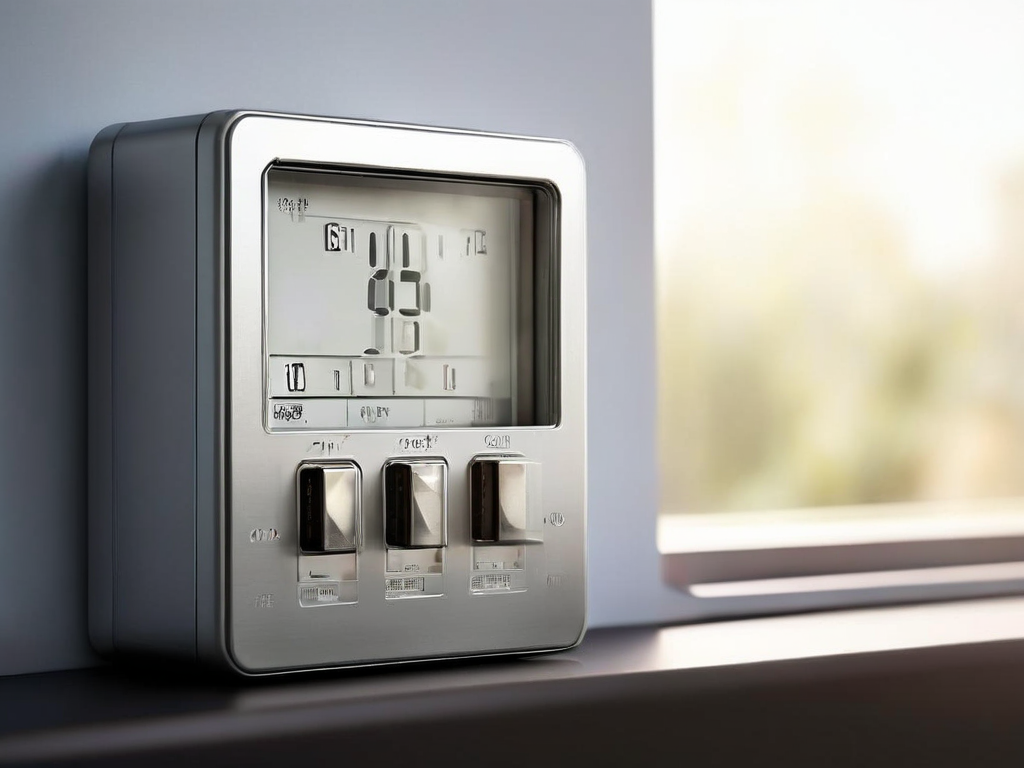
After setting vacation mode in the app, check the thermostat itself. The screen should show some sign that the new schedule was received, such as an Away label, a vacation icon, a countdown, or the adjusted temperature range.
If the thermostat still shows the normal home schedule, do not assume it will update later. Refresh the app, give it a minute, and check the Wi-Fi connection. Sometimes the schedule is saved in the app but has not reached the device yet.
If nothing changes, restart the thermostat if the model allows it. Some units can be restarted through the app; others may need to be lifted off the wall plate for a few seconds and placed back on. After that, check the screen again.
If vacation mode still does not appear, contact the manufacturer’s support before leaving. It is a small check, but it can prevent a house that overheats, gets too cold, or runs the system normally for the whole trip.